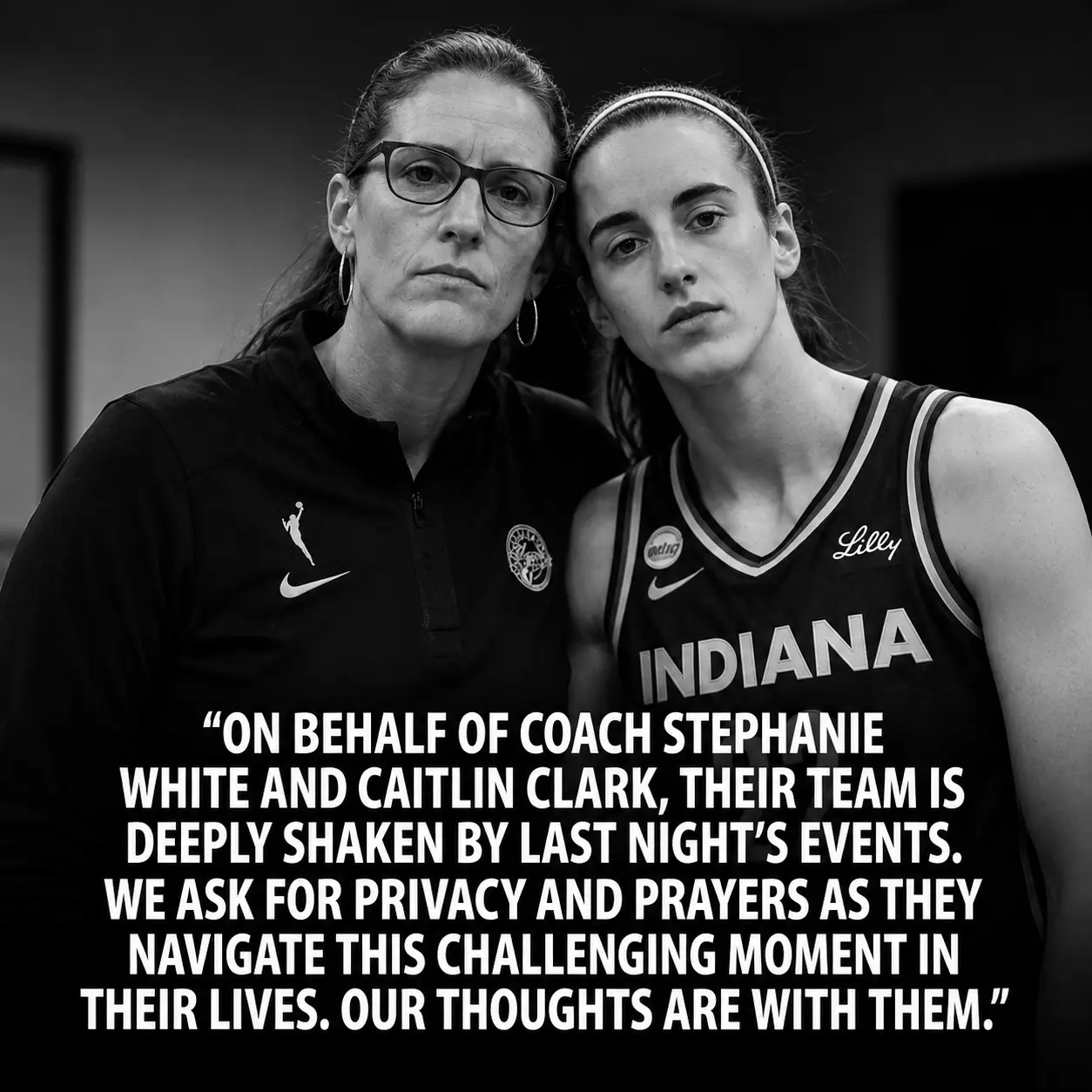
Behind the bright lights, enormous expectations, and relentless pressure surrounding Caitlin Clark lies a story about perseverance, leadership, and the emotional responsibility of coaching one of basketball's most closely watched young stars.
INDIANAPOLIS, INDIANA — In professional basketball, the moments that leave the deepest impression are not always captured by a scoreboard.
Sometimes, they come from the quiet understanding between a coach and a player who have experienced the same extraordinary journey from different perspectives.
For Indiana Fever head coach Stephanie White and superstar guard Caitlin Clark, that connection has become an important part of the franchise's story.
Clark's rise to national prominence has transformed conversations surrounding women's basketball. Her remarkable shooting range, court vision, competitive intensity, and enormous popularity have brought extraordinary attention to the WNBA.
But with that attention comes pressure that few young athletes ever experience.
Every performance is analyzed. Every missed shot becomes a discussion. Every injury update attracts concern. And every decision involving her future can become a national headline.
For White, coaching Clark involves much more than designing offensive sets or making adjustments during games.
It requires understanding the person behind the public expectations.
And that is what makes an emotional reflection on Clark's journey such a powerful subject for Indiana Fever supporters.
While the specific deeply personal remarks described in the viral headline have not been independently established, the broader story of White and Clark offers a meaningful look at the challenges of elite competition and the relationships that help athletes navigate them.
A Superstar Carrying Extraordinary Expectations
Caitlin Clark entered professional basketball with a level of attention rarely seen in the history of the women's game.
Her record-setting college career at Iowa made her a household name long before she played her first WNBA game.
Fans admired her ability to score from extraordinary distances, deliver spectacular passes, and change the momentum of a contest in seconds.
But the transition to professional basketball brought an entirely different set of challenges.
WNBA defenders are stronger, faster, and more experienced. Opposing coaches develop sophisticated strategies to limit the influence of elite players.
For Clark, every appearance also carries the expectations of an enormous audience.
That combination creates a demanding environment for any young athlete.
Even the most talented players need opportunities to learn, recover from mistakes, and grow without every setback being treated as a defining judgment on their careers.
For a coach, recognizing that reality can be just as important as recognizing a player's basketball ability.
White's responsibility extends beyond maximizing Clark's scoring and passing.
It also involves helping create an environment in which the guard can continue developing as a leader, teammate, and professional.
Stephanie White Understands the Weight of the Spotlight
Stephanie White brings a distinctive perspect
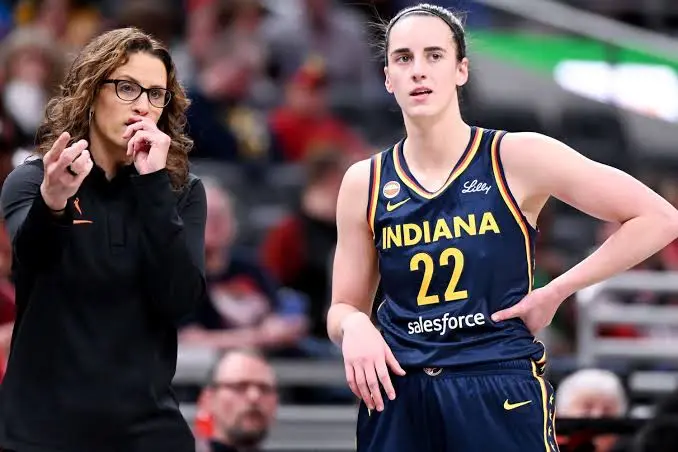 ive to that responsibility.As a former professional player and experienced coach, she understands the demands of competing at the highest level.
She also knows that success in basketball is rarely a straight line.
There are difficult losses, frustrating performances, injuries, public criticism, and moments when confidence must be rebuilt.
A coach's influence often becomes most important during those periods.
When a team is winning, encouragement comes easily.
When expectations are not met, leadership requires patience, honesty, and the ability to keep athletes focused on long-term progress.
For Clark, whose career has attracted exceptional attention, that kind of leadership carries particular significance.
White's experience gives her an understanding of the emotional challenges that can accompany professional competition.
And it highlights a reality sometimes overlooked in discussions about star athletes: talent does not eliminate the need for support.
The Emotional Reality Behind the Headlines
Basketball audiences usually encounter their favorite players through highlights, statistics, interviews, and social media.
They see the three-pointers, celebrations, turnovers, and final scores.
What they rarely witness are the ordinary moments that shape a season.
The exhausting rehabilitation sessions.
The difficult conversations after losses.
The hours spent reviewing mistakes.
The disappointment of watching teammates compete when an injury prevents participation.
Those experiences can be especially difficult for athletes whose iden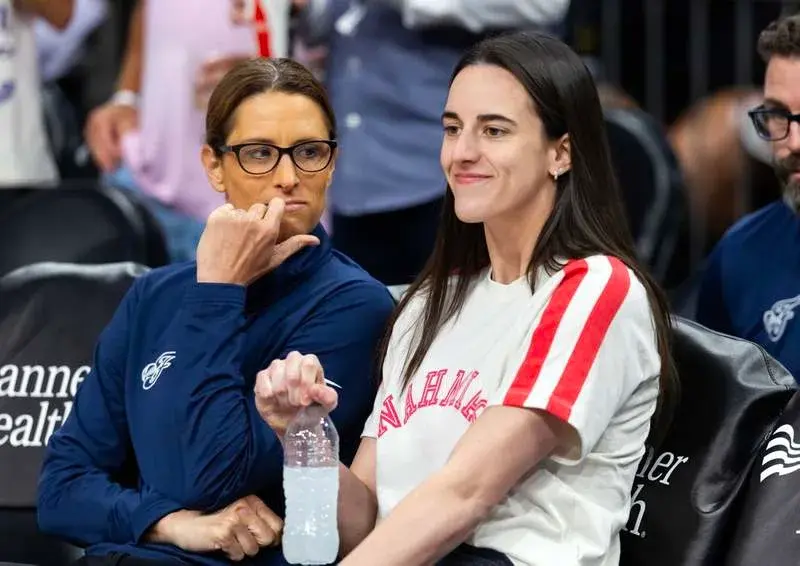 tities are closely connected to competition.
Clark has built her career around a relentless desire to play, improve, and win.
That competitive nature is part of what makes her so compelling.
But it also means that setbacks can carry considerable emotional weight.
For coaches and teammates, supporting a player through those moments is an essential part of building a healthy team environment.
The public may focus on when a superstar will return to the court.
Inside a team, the more important question is whether that player has the time, resources, and support needed to return safely and confidently.
Đang tìm kiếm 14 trang web
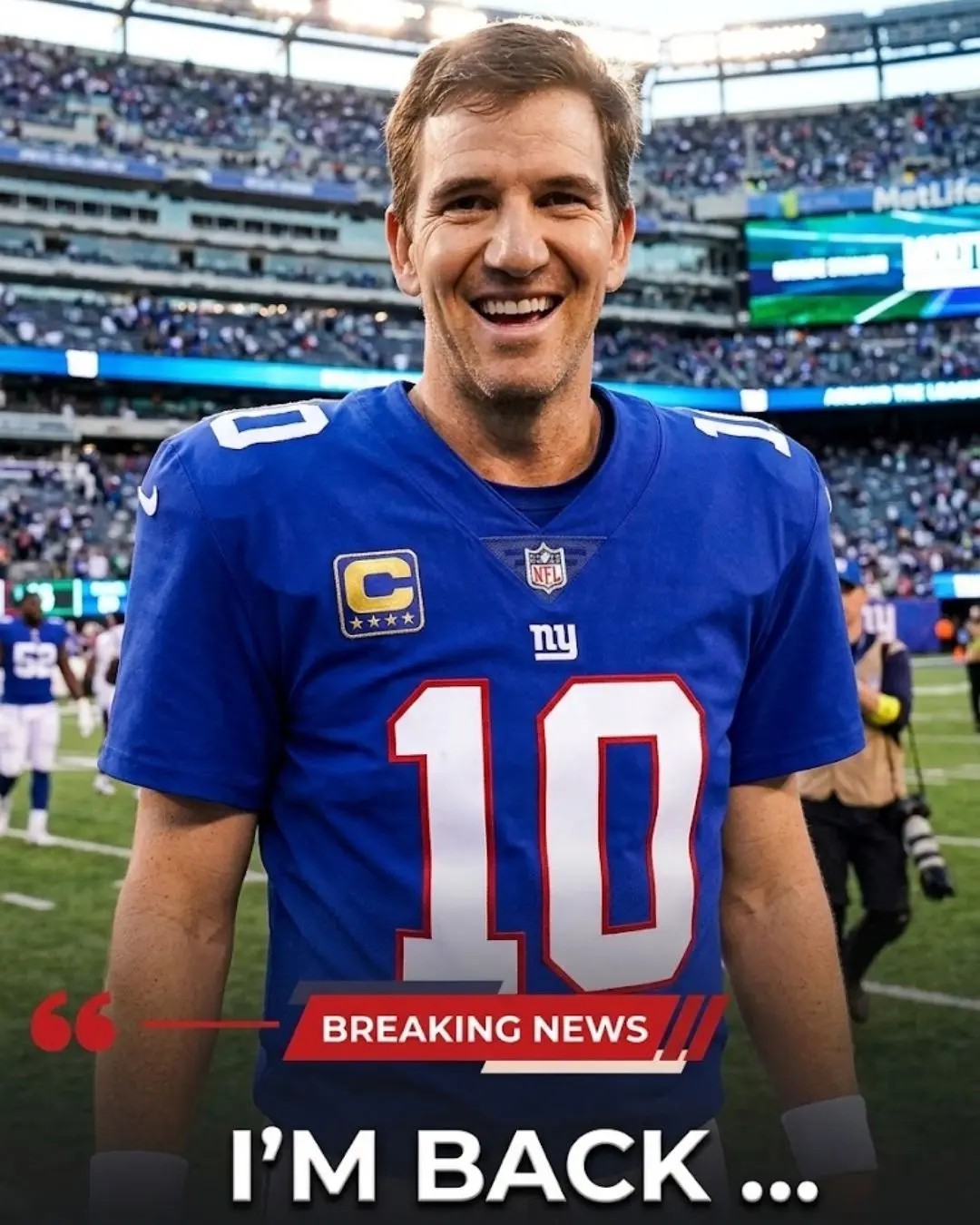
Homecoming in Big Blue: Unpacking the Hype Around a Star’s Return to New York
The NFL landscape thrives on dramatic storylines, unexpected roster shifts, and high-stakes free agency decisions that keep sports talk radio buzzing year-round. Few narratives capture the imagination of football fans quite like a blockbuster homecoming—the story of a franchise star returning to the city where their legacy began. Recent reports floating across social media and sports fan forums suggest a fast-tracked, long-term deal is in the works to bring a fan-favorite playmaker back to the Big Apple, sending ripples of excitement and intense debate across the league.
While sensationalized headline teasers often exaggerate negotiation timelines, the underlying desire for a high-profile reunion reflects deep emotional ties between players, fan bases, and franchise identities. In New York, where media coverage is relentless and expectations run sky-high, the return of a marquee talent carries massive football and cultural implications.
The Emotional Weight of a New York Reunion
In professional sports, team loyalty is often tested by the harsh realities of salary cap management, contract negotiations, and career longevity. When a franchise cornerstone departs—whether via free agency or trade—fans are often left with a sense of unfinished business.
For Big Blue faithful, iconic playmakers represent more than just box-score production; they embody the grit, identity, and offensive engine of the team. When rumors flare up about a multi-year deal aimed at bringing a star back into the fold, it immediately reignites memories of game-winning drives, miraculous highlight-reel hurdles, and electrifying stadium energy.
"In a city like New York, connection with the fan base isn't easily replaced," noted sports media analysts during recent league coverage. "When a player who defined an era of football in East Rutherford gets linked back to the organization, it transcends standard contract news—it becomes an emotional event for the whole fanbase."
Strategic Roster Fit vs. Long-Term Financial Planning
Beyond the emotional appeal of a high-profile reunion, front offices must evaluate return deals through a pragmatic, business-focused lens. Securing a elite playmaker on a fast-tracked long-term contract requires balancing immediate offensive output against future cap flexibility.
Modern NFL offensive schemes rely heavily on versatile weapons who can impact both the running game and passing attack. Rebuilding or retooling an offense often centers around giving quarterbacks a proven security blanket—someone who commands defensive attention and opens up intermediate passing lanes.
- Immediate Playmaking Impact: Restoring a proven dual-threat player immediately elevates offensive efficiency and red-zone conversion potential.
- Locker Room Leadership: Veterans who understand the unique pressure of playing in the New York media market provide crucial mentorship for younger roster talents.
- Salary Cap Maneuvering: Structuring multi-year agreements demands precision to ensure the team retains flexibility for upcoming draft classes and defensive extensions.
League-Wide Reactions: Controversy and Competition
Whenever a marquee player gets linked to a major market contract, the rest of the NFL takes notice. Rival executives continuously monitor divisional power shifts, knowing that a single explosive talent can drastically alter competitive dynamics within the NFC East.
Fan reactions across social platforms like X (formerly Twitter) and Reddit have ranged from ecstatic celebration to analytical skepticism. While supporters view the prospective deal as a crucial step toward postseason contention, critics question whether committing significant cap space to skill-position veterans aligns with long-term roster construction trends in today's NFL.
Nevertheless, the mere prospect of a high-profile return highlights how fast momentum can shift in the professional football landscape.
What Lies Ahead for Big Blue
As speculation continues to circulate through sports media cycles, official contract announcements remain subject to league physicals, cap compliance checks, and final pen-to-paper signatures. Regardless of how negotiations unfold in the coming days, one truth is undeniable: the bond between iconic players and the franchises that drafted them runs exceptionally deep.
If a long-term deal is officially finalized, MetLife Stadium will undoubtedly deliver a deafening ovation when #26 or a fellow beloved icon steps back onto the turf in Big Blue uniform. For New York football fans, the hope of seeing a hometown star return to finish what they started is the ultimate game-changer.